For our first interview of the 2026 Delaware Fun-A-Day, we sit down with Talley Brown, a lifelong Delawarean whose roots in Talleyville stretch back generations. We chat about Zentangles and meditation, using art to support the homeless, communicating with animals through telepathy, favorite books that inspire creativity, and what it means to make art simply for the joy of it. Thanks, Talley!
We like to know how people are connected to Delaware - are you a resident, born and raised? What brought you to Delaware Fun-A-Day (DEFAD)?
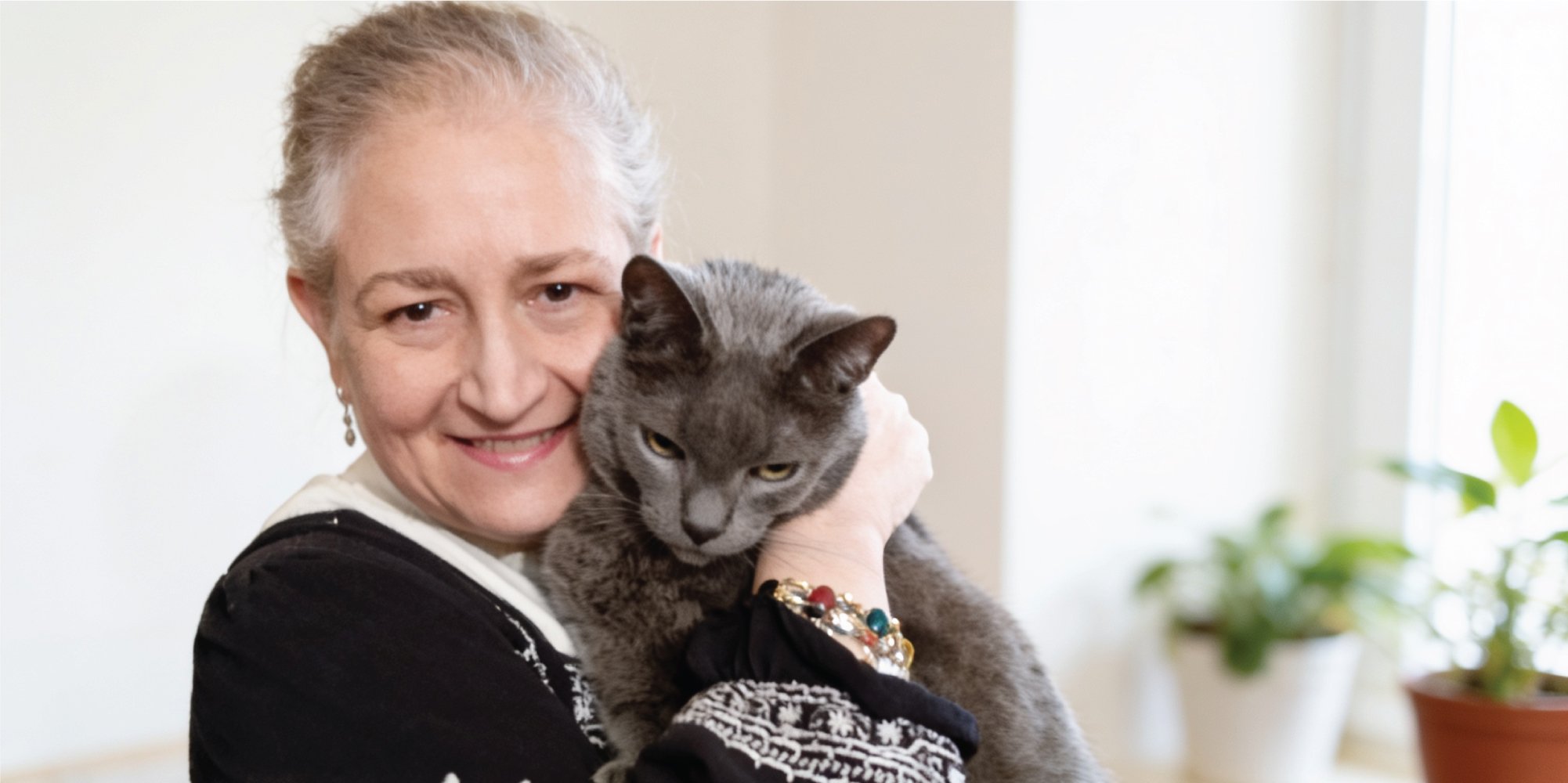
I am a Talley from Talleyville. My family homesteaded Talleyville in 1638, the same year my Father’s family came over with the landing of the Swedes. There are two kinds of Talleys: foxhunting Talleys, and singing Talleys. I am a foxhunting Talley. Both sides of my family have been here, non-stop, ever since. I have always loved art, to the point that I took AP Art in 12th grade at Tower Hill. I first found DEFAD when I helped out in a show at the Center for Creative Arts in Yorklyn.
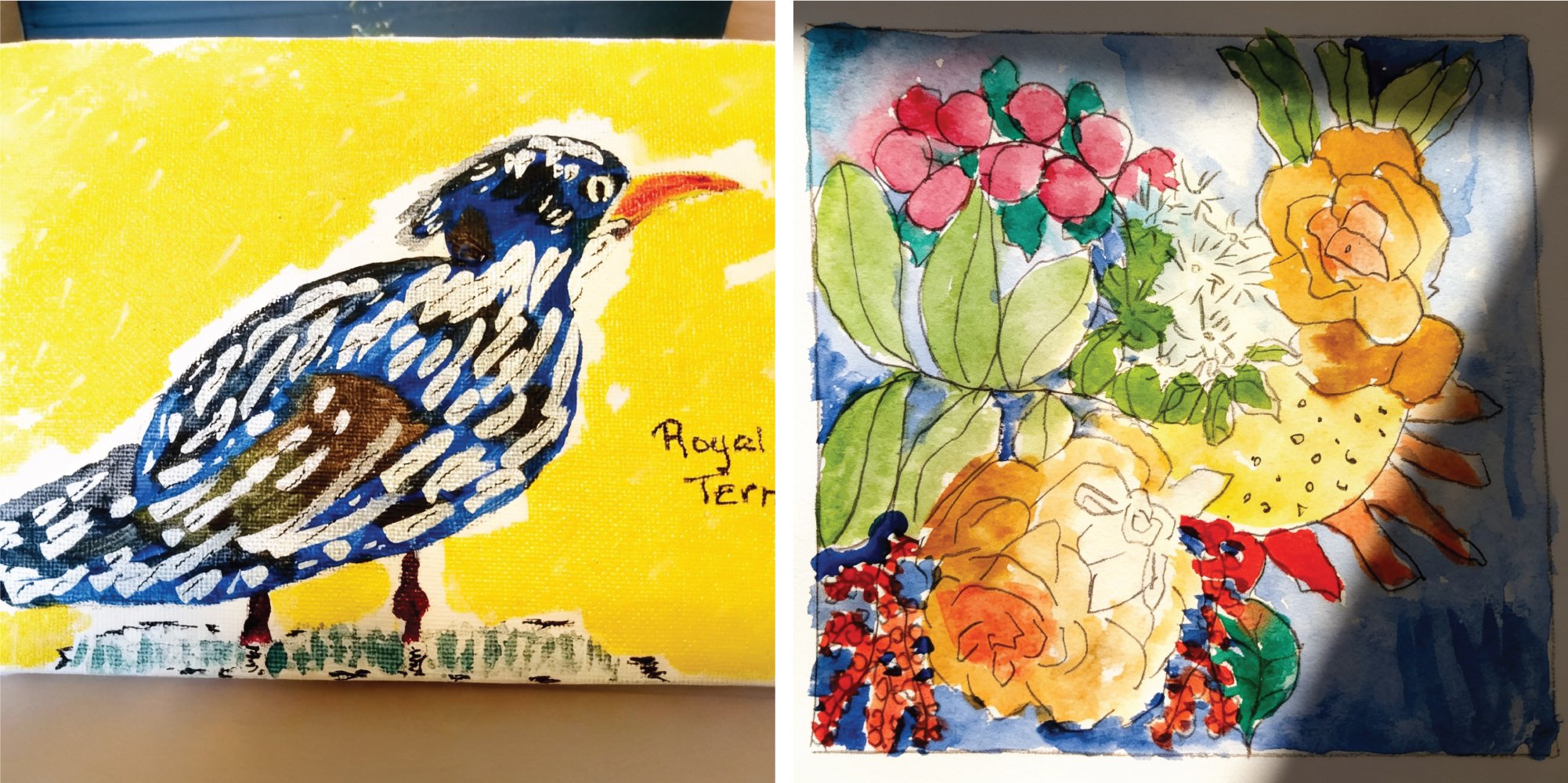
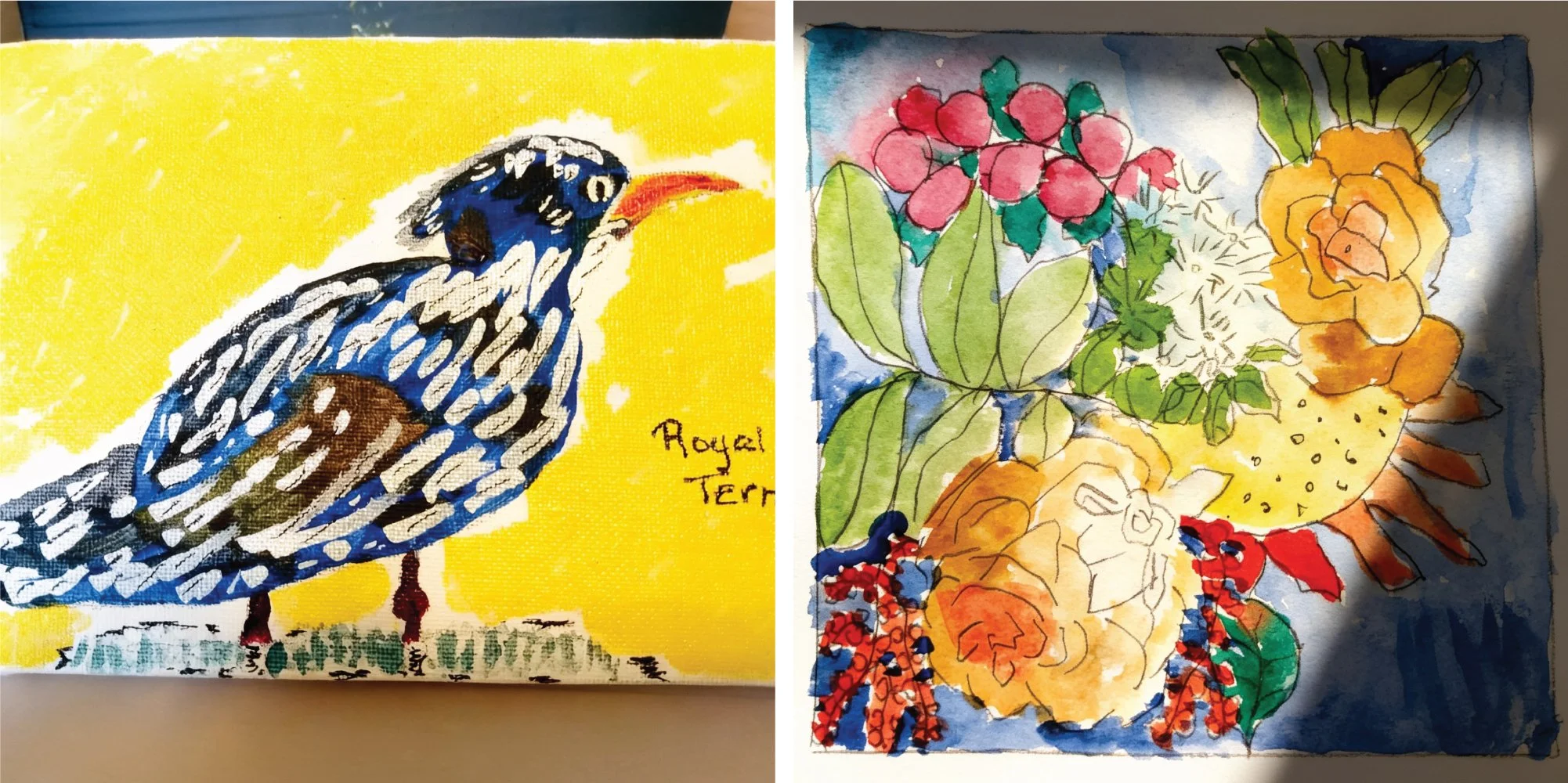
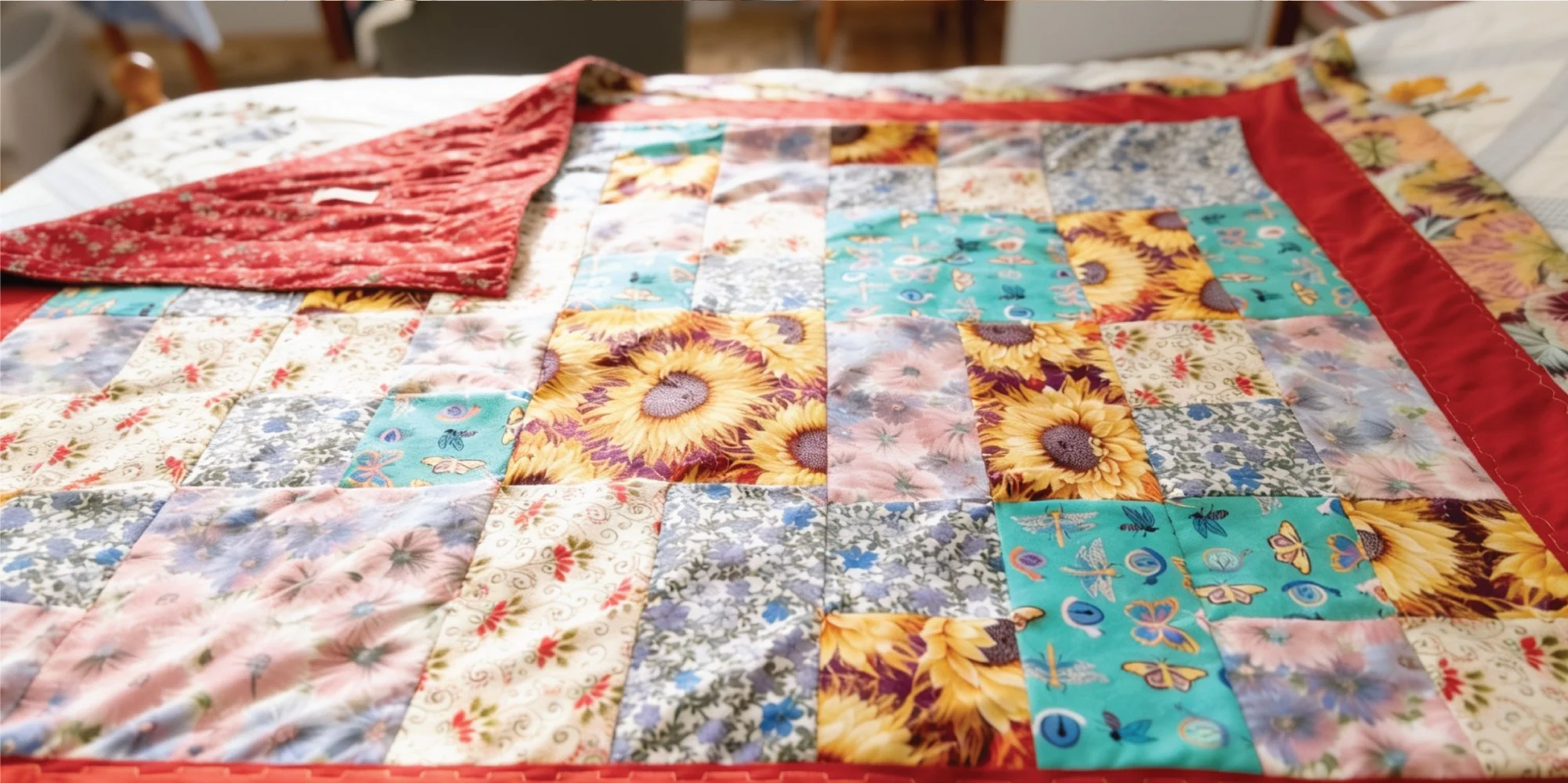
Over the years you've explored everything from watercolor florals and imaginative shapes to quilting, crochet, bead weaving, jewelry, and ornament-making. What keeps you excited about learning new creative skills, and how do you know when a new medium has truly captured your attention?
Anything creative helps me calm down and “get over” my hectic work days. I look forward to the times I get to do what I love: create. I know a new medium has truly captured my attention when I obsess over it. When it is all over my apartment, I know it is in my heart.
One thing that stands out about your work is your willingness to move between art forms rather than staying in a single lane. Do you see common threads connecting your quilting, beadwork, crochet, drawing, and other creative pursuits? What makes something feel unmistakably "Crafted by Talley"?
In AP Art, my concentration was in Matisse. I see his influence in all of my art forms. My maternal grandmother and her siblings were all primitive artists, although my great-uncles were quite adept at sketching pin-up girls in the style of Vargas. I like bold colors, simple designs, and repetition in my work. That is why I was drawn to Zentangles this year: three strokes or less and you have a tiny artwork!
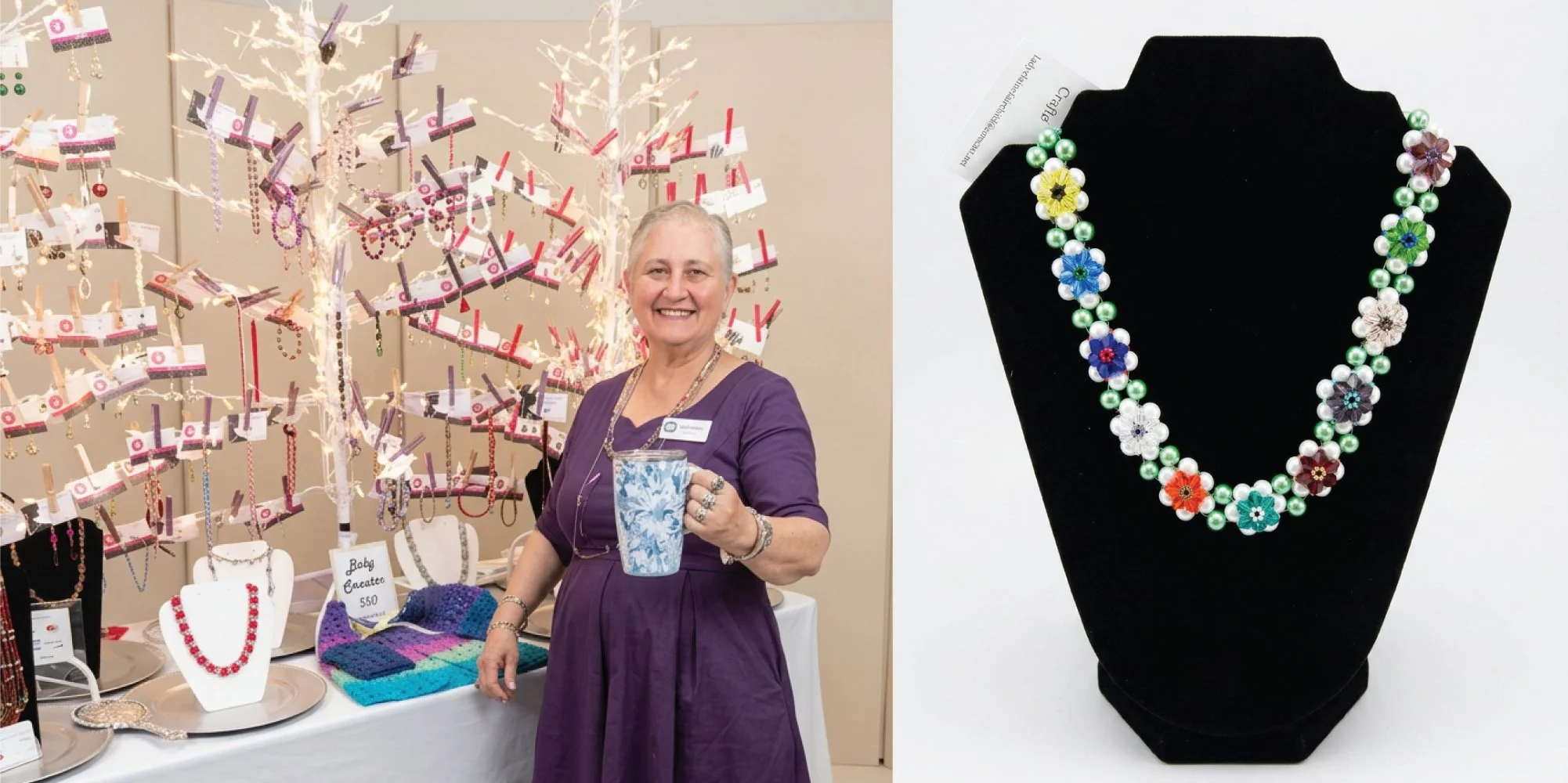
You've sold your work at local craft shows and shared your creativity with the community for many years. What have those experiences taught you about the relationship between making art and bringing joy to other people?
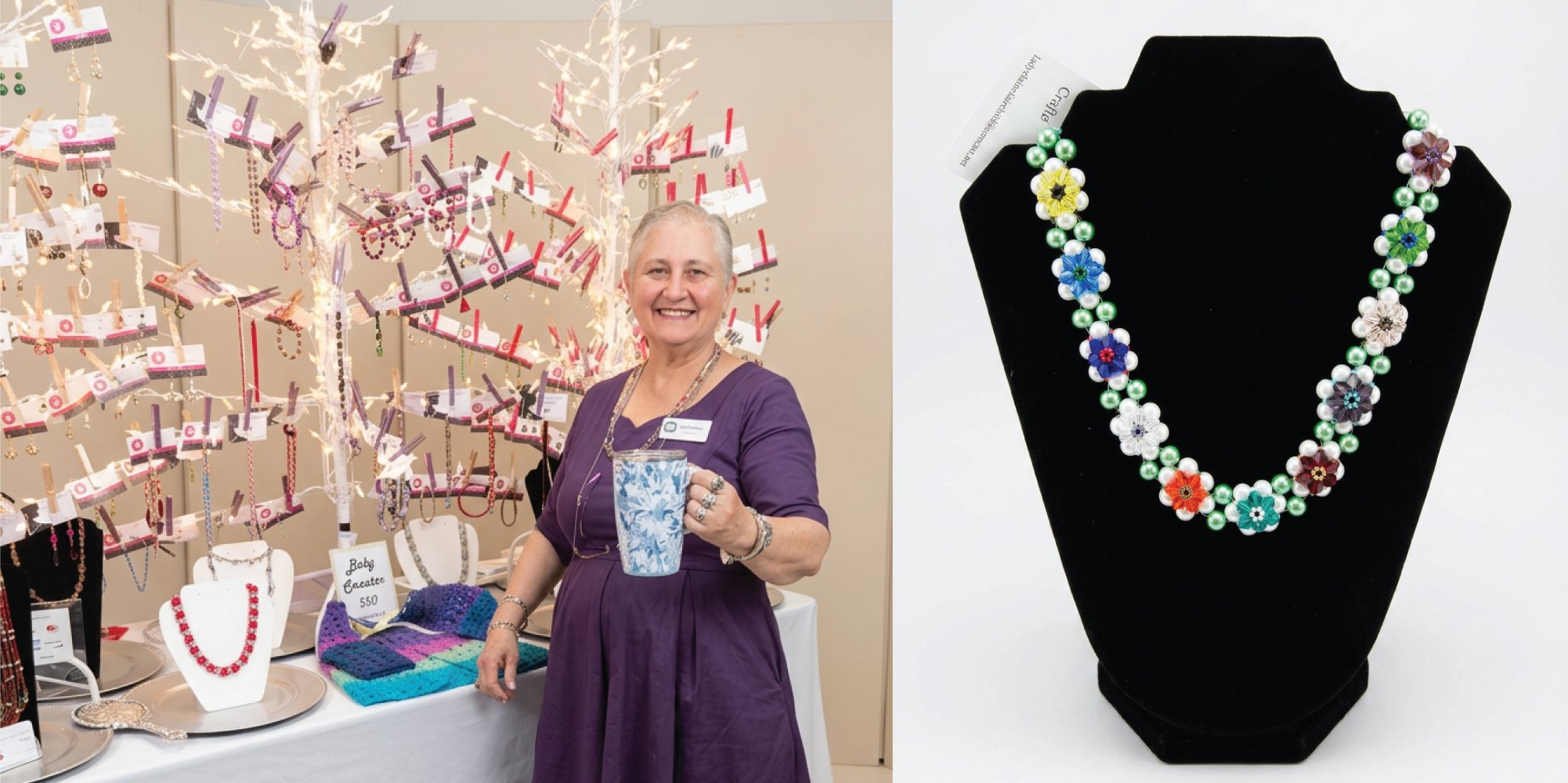
When selling my art I try to keep prices low. Face it, you never will get paid for all of the time and effort you put into an art or craft, so why not make enough money to just buy more beads, or fabric, or yarn, or art supplies? I love the look on people’s faces when they realize they can buy “one for everybody” because my prices are “reasonable.” I have repeat customers who do this every year at Christmas.
Your 2026 Delaware Fun-A-Day project, Zentangles: Meditative Doodles, feels both playful and intentional. What first drew you to Zentangles, and what made them the right challenge for your fourth year participating in Delaware Fun-A-Day?
I learned about Zentangling in a seminar at my library. I have been doing it for a while, but recently found a really good YouTube instructor in Melinda Barlow. They are designed to be 3 ½” by 3 ½”, so they are perfect for DEFAD! Plus, the meditative aspect to them is a glorious way to shed the woes of working at the end of my day.
Many people describe Zentangle as a form of meditation as much as an art form. What happens for you mentally and emotionally when you're creating? Do you find that the repetitive patterns help you focus, reflect, pray, or simply slow down?
Zentangling relaxes me mentally and calms me emotionally. I feel my anxiety drifting away when I am “doodling.” I can listen to a book while I am Zentangling. I can reflect on my day and slow down my brain so I can fall asleep more easily. It is better than a sleeping pill!
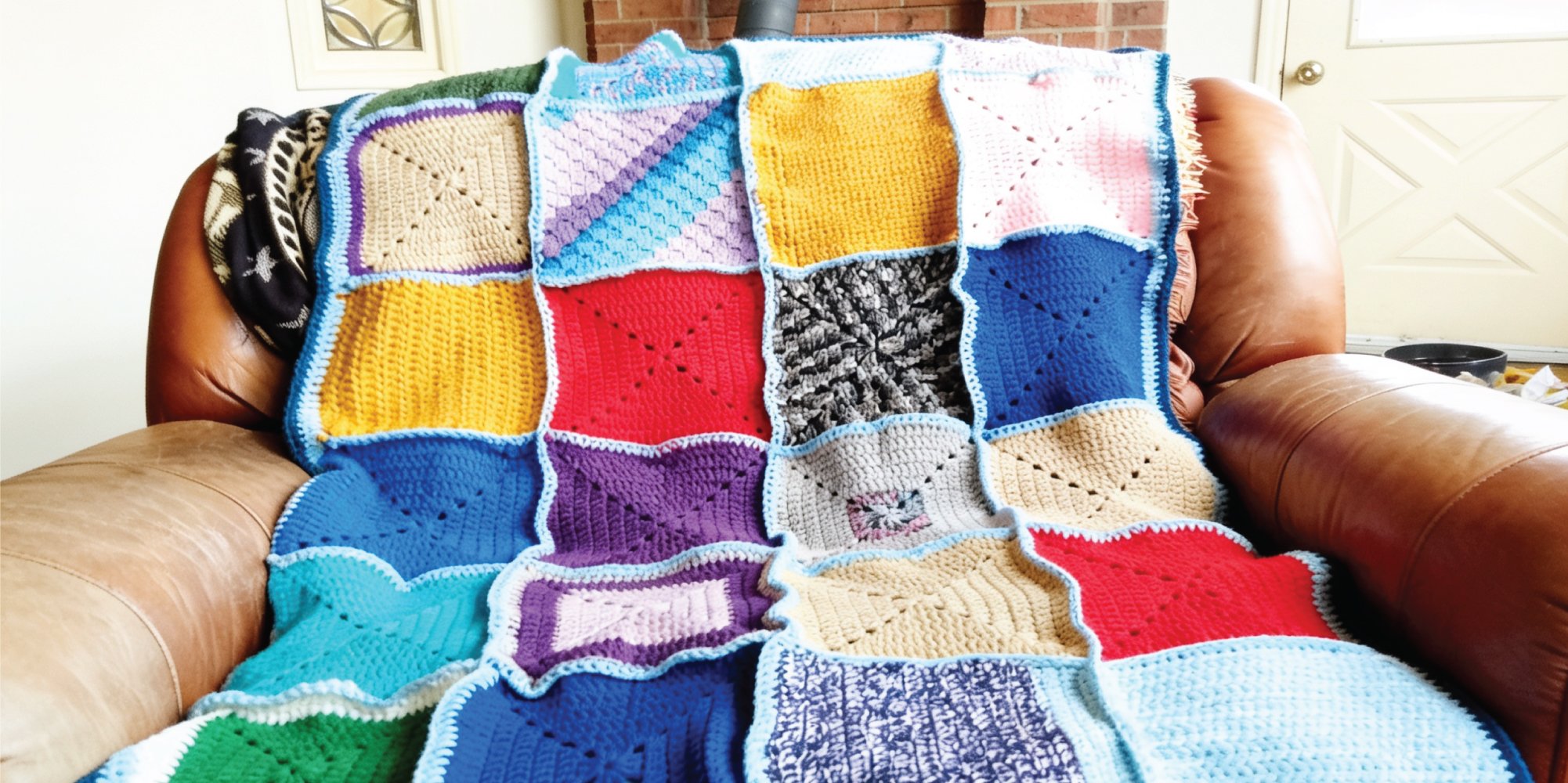
Faith appears to be an important part of your life. Do spirituality, prayer, or your religious beliefs influence your creative practice? Are there ways that your artwork becomes an expression of those values, even when the subject matter isn't overtly religious?
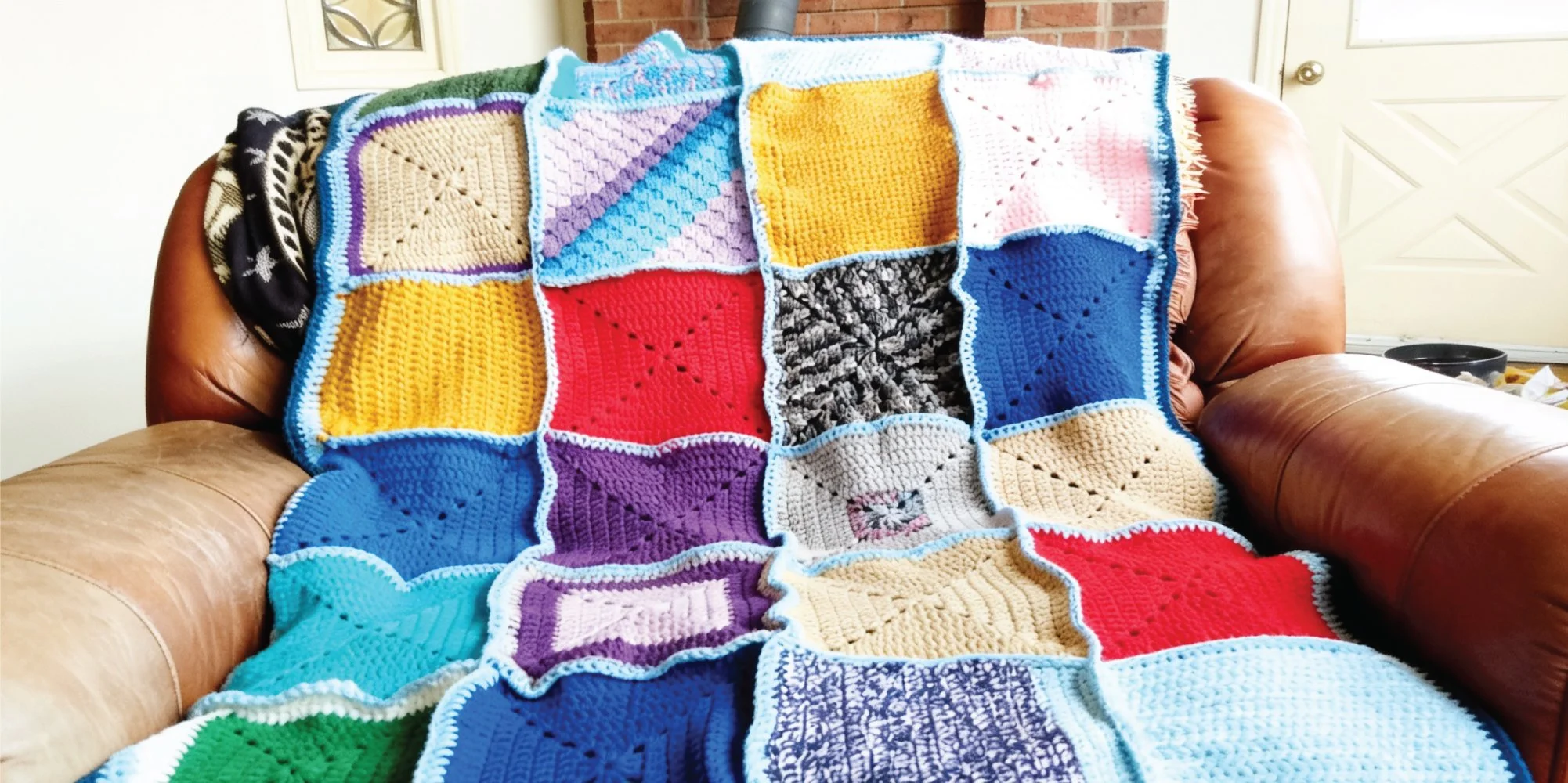
Spirituality, prayer, and my religious beliefs do, indeed, influence my creative practice. Most of what I crochet goes to the homeless through Delaware Care Plus. Part of the income from my beading goes to outreach projects by my church. I can even donate some of my fine arts to my church’s craft show to help the homeless. Art should be enjoyed by everyone. I try to make that happen.
Your mother seems to have played an important role in your life. Looking back, were there lessons, values, or creative influences she passed along that still show up in your artwork and the way you move through the world today?
My parents were not thrilled with my love of art. Every year I would give them my best work for their anniversary, and they would throw it away. My grandparents, great-grandparents, and great-great-grandmother were a different story. They all felt I should do what makes me happy. I learned, in this way, to critically select my target audience. The creative influence was strong from my Mother’s side of the family.
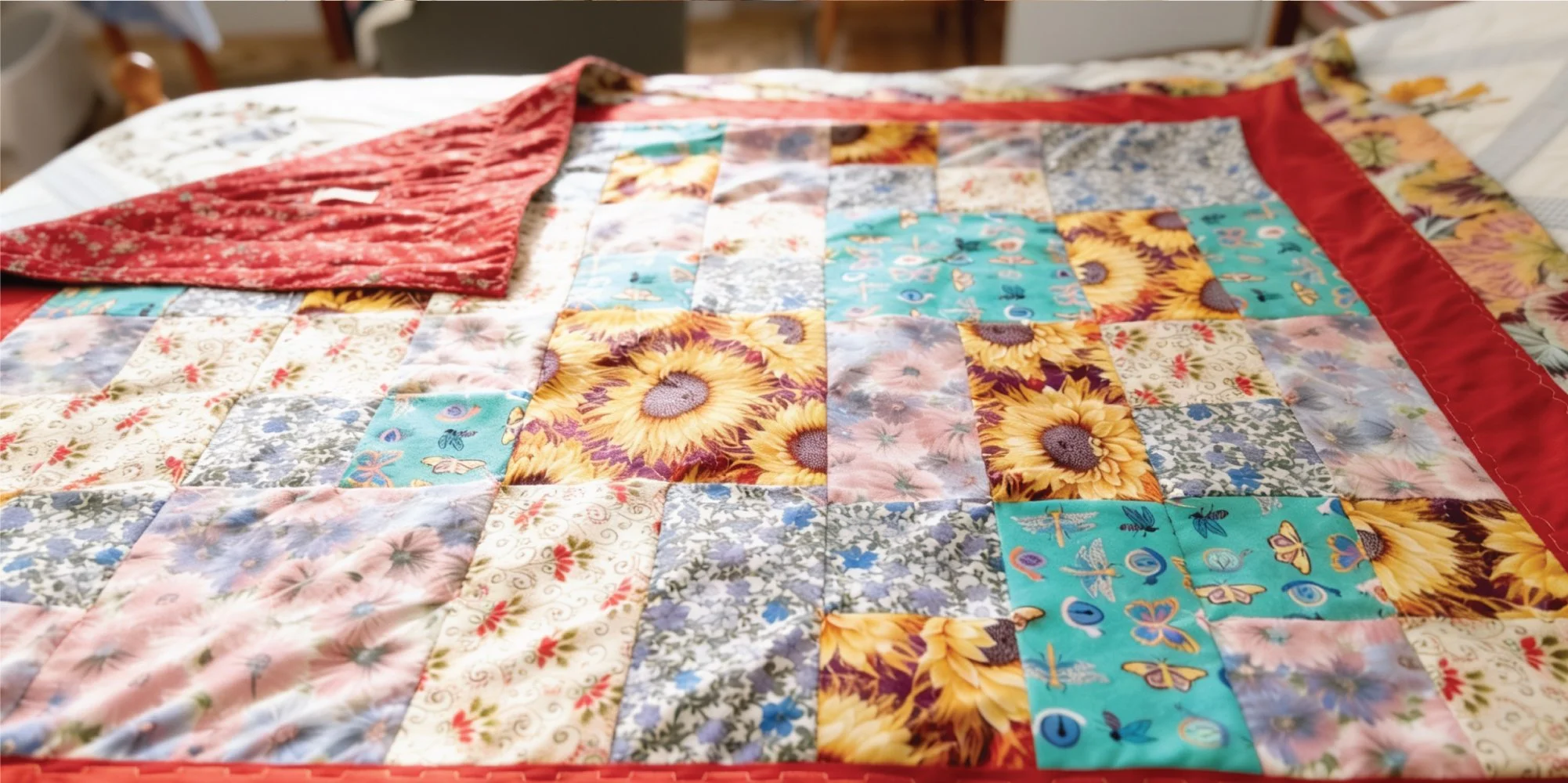
Your love of animals, and the compassion you show toward them, comes through strongly. Do your relationships with animals shape the way you see creativity, beauty, or connection? Have any of your pets ever inspired a piece of artwork or a creative idea?
My relationships with animals have taught me to see and appreciate the artwork of God in nature. The unconditional love I have received from my animals has taught me how to love and express that love through my arts and crafts. I have a large Matisse-inspired painting called “Jake the Fake,” based on a cat from my childhood. I also frequently make earrings based on animal themes.
I’ve read that you can communicate with animals directly… I’m so fascinated! Is there a tried-and-true method for how to accomplish this? How do people get started? If it’s a trade secret, then don’t feel obligated to spill.
Everyone can talk with the animals. It is simple telepathy. Moms do it with their babies all the time. Society fears communication that it does not understand, however, so, although most of us communicated with our pets telepathically when we were young, our parents convinced us that it was “all our imagination.” The only thing you have to do is open your mind and your heart, and stop doubting yourself.
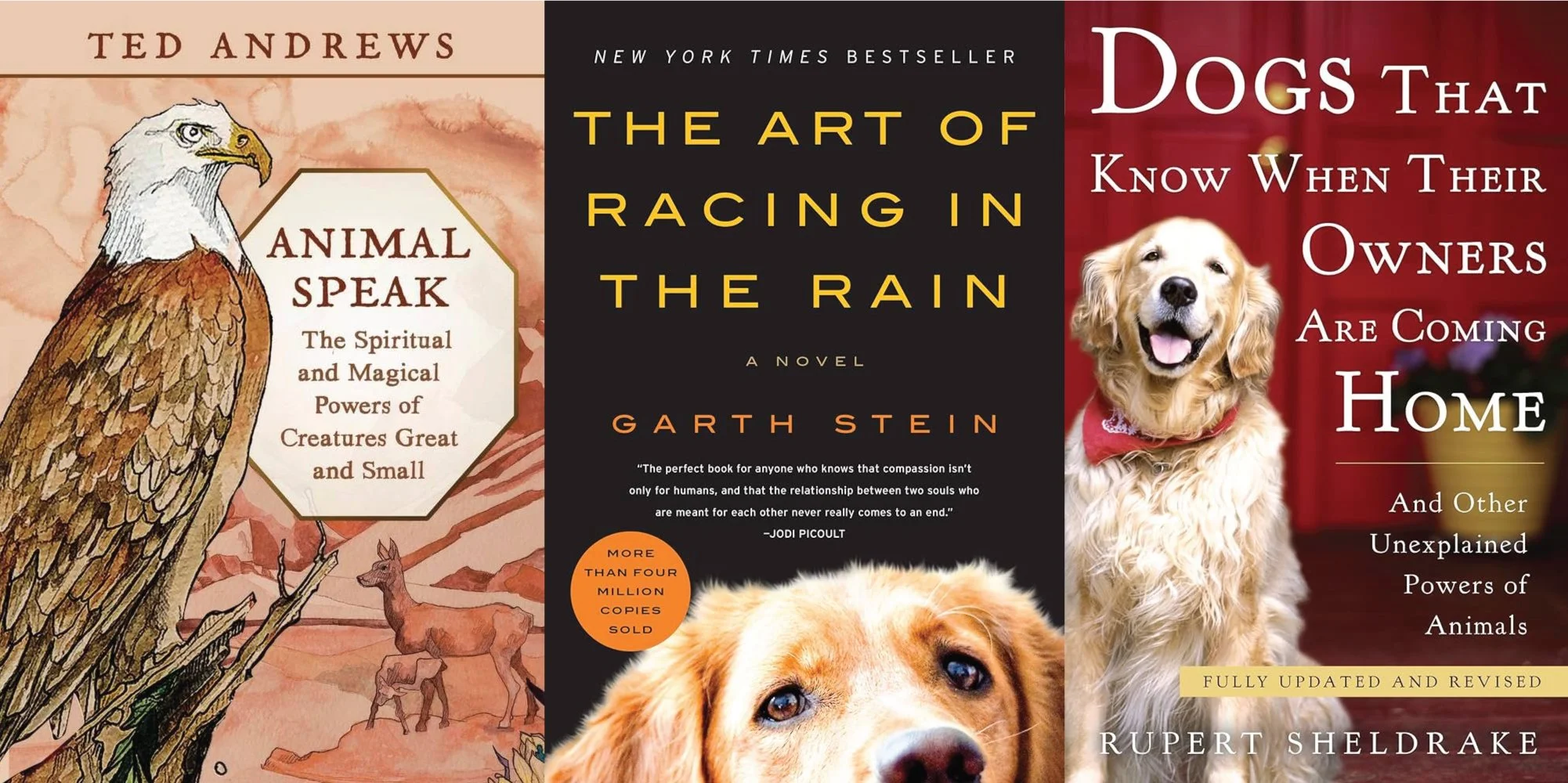
Speaking of talking animals… I’m reminded of the dog named Tock who accompanied the main character Milo in the book, The Phantom Tollbooth. You once shared your love for that book, which celebrates curiosity, imagination, and lifelong learning. If you’re willing, please give some book recommendations that other creatives would love or can draw inspiration from.
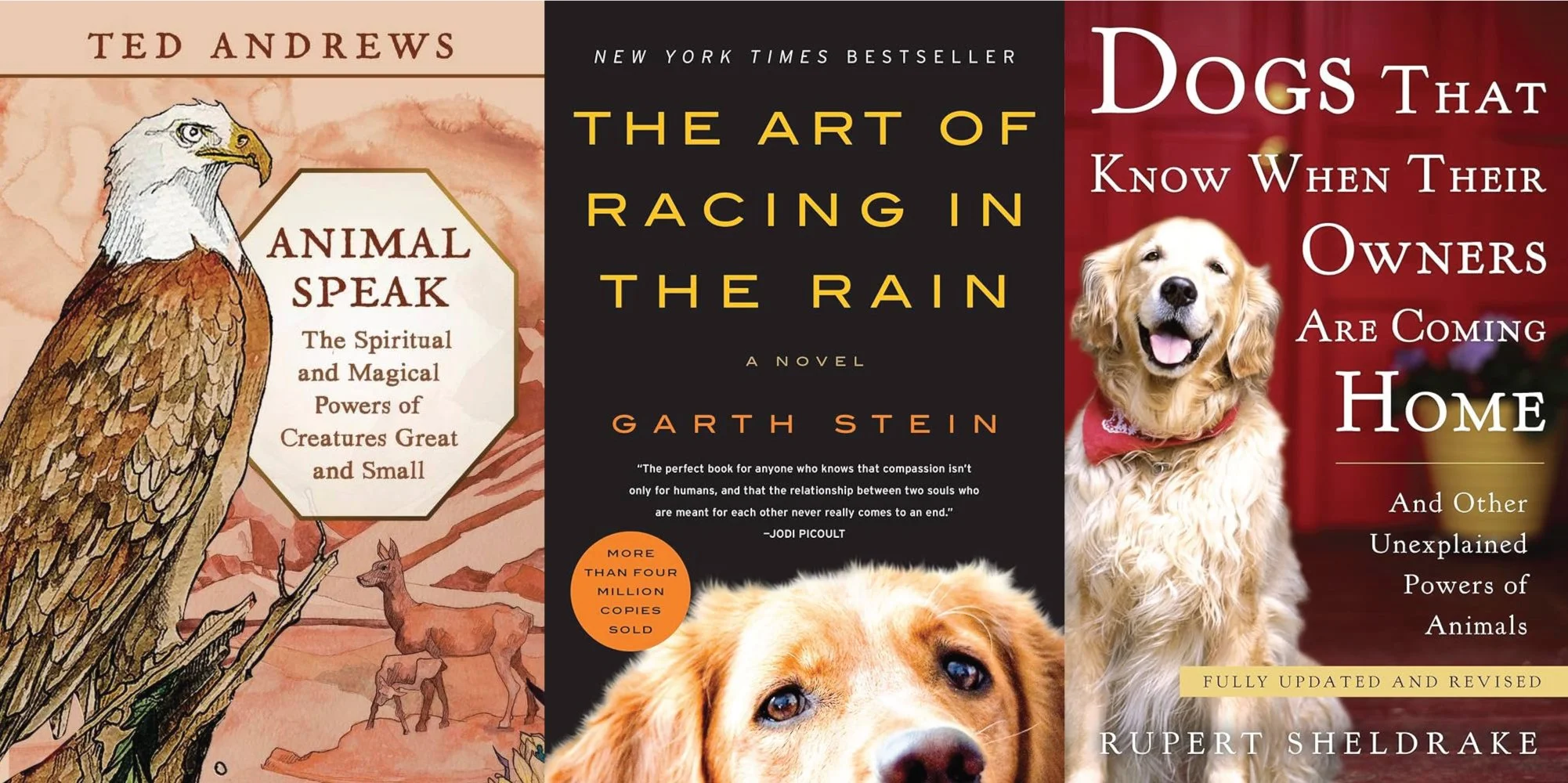
As an avid reader, I have WAY too many books to discuss. However, one of my favorite books is The Art of Racing in the Rain by Garth Stein. I also love David Rosenfelt’s mystery novels, which are always about animals. Another good book is Animal Speak: The Spiritual & Magical Powers of Creatures Great & Small by Ted Andrews. For a more scientific approach, Rupert Sheldrake, Ph.D. has written a number of books, including Dogs That Know When Their Owners Are Coming Home.
And lastly, what goes better with books than coffee? You've mentioned being a Starbucks fan over the years, and every artist seems to have their favorite creative fuel. What's your go-to coffee order these days, and are there any local coffee shops you'd recommend for a good cuppa and a quiet place to create?
My favorite coffee is actually brewed at home: Dunkin' Donuts coffee with two scoops of Chocolate Vital Proteins Collagen Peptide Powder, a tablespoon of turbinado (I use a 24-ounce “cup”), and half and half. I drink two a day. They keep me happy, active, and alert.
Anything else you’d like to share or enlighten us with? Where can people buy your artwork and how can they connect with you?
First and foremost, art is like telepathy in that anybody can do it; they just need to stop doubting their abilities. Just because the art teacher at school thirty years ago told you you could not draw does NOT mean that you cannot be an artist. Believe in yourself! Go for it!
Most of my artwork is sold at craft shows. I usually vend at four or five shows a year. My favorites are Conrad School of Science, Cranston Heights Fire Hall, St. David's on Grubb Road, and the Green Show at Christ Church Christiana Hundred.